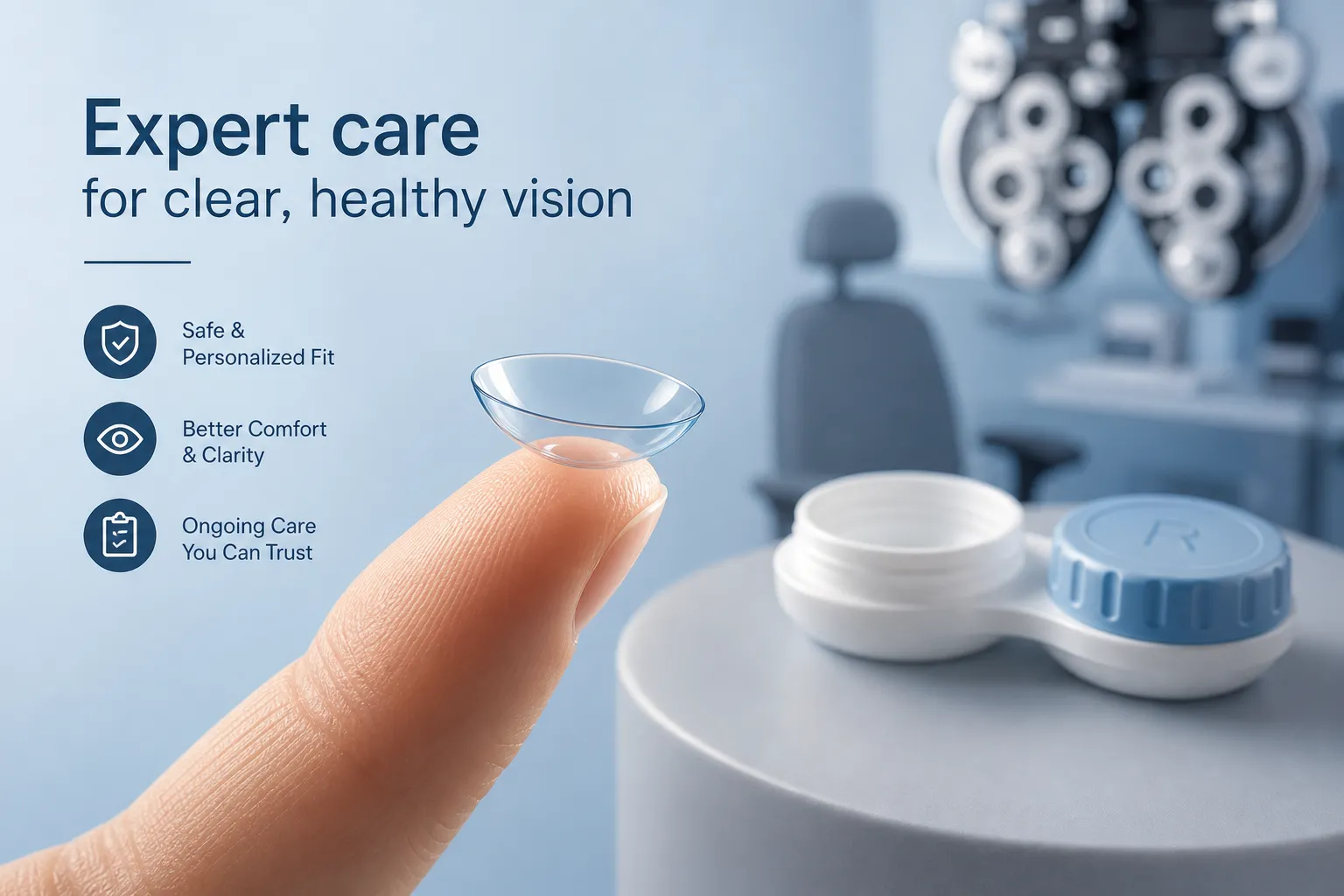
Optometrist contact lenses provide a professionally fitted solution that keeps your eyes safe, your vision clear, and your lens wear sustainable long-term. Buying contact lenses online feels effortless, a few clicks, a pack size, a shipping address, but your eye is not a standard unit. The curvature of your cornea, the quality of your tear film, and the specific parameters of your prescription are unique to you. A lens that does not account for those factors is not just uncomfortable. It is a genuine risk to your ocular health. Getting contact lenses through a qualified optometrist is not an inconvenience or an upsell; it is the process that protects your eyes and preserves your vision.
This article covers what a professional fitting actually involves, why your spectacle prescription is not sufficient on its own, which lens types suit which needs, and what responsible wear looks like once you have your lenses. If you are in Cape Town, EyeQ Optometrists runs exactly this kind of full-service fitting process across the four branch locations, but the principles apply wherever you are in South Africa.
Optometrist Contact Lenses: What a Professional Fitting Actually Involves
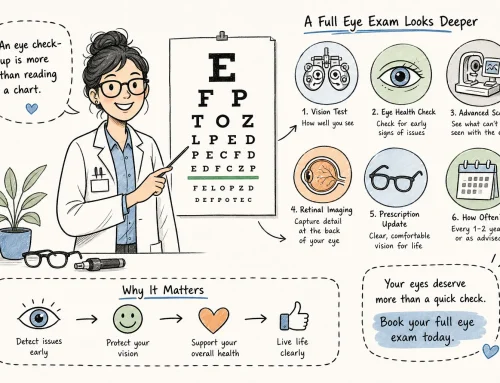
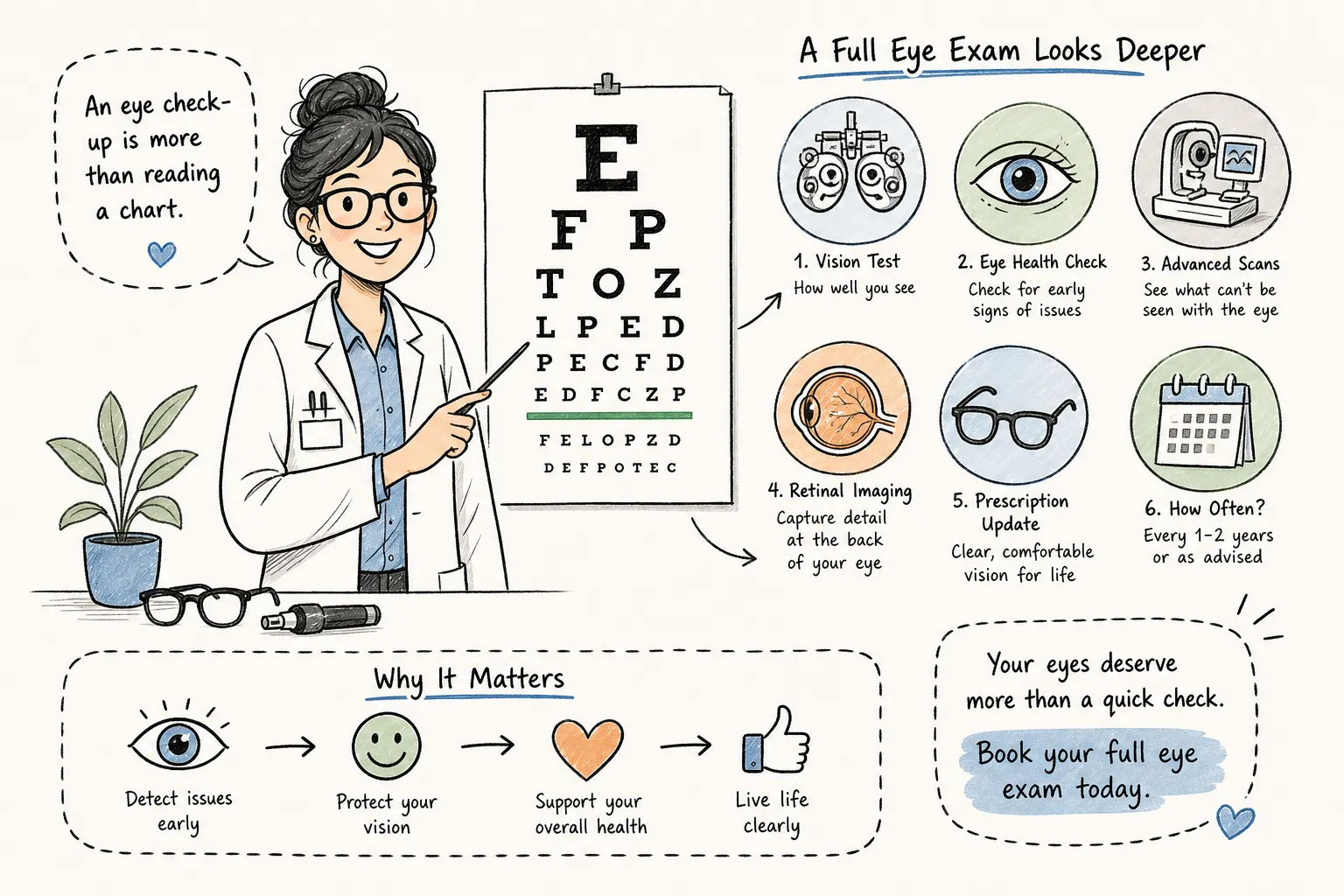
A contact lens fitting is not simply handing over a prescription and choosing a brand. Before any lens touches your eye, your optometrist will conduct a comprehensive eye examination, measure your corneal curvature, assess your tear-film quality, and check your pupil size. These measurements determine the correct base curve and diameter for your lens. A lens sitting on the wrong base curve will shift with every blink, blur your vision, and irritate the corneal surface over time.
Once the measurements are done, trial lenses go in. Your optometrist assesses movement, centration, and alignment under a slit lamp, far more revealing than simply asking whether the lens feels comfortable. You will also be trained in insertion and removal technique during this appointment. Expect the initial visit to take between 30 and 60 minutes, sometimes longer if additional testing is needed.
A follow-up appointment, typically one to two weeks later, is standard clinical practice. This visit confirms that the fit has held, that vision is stable with the prescribed lens, and that there are no early signs of corneal stress. Only after that follow-up is a full supply dispensed. Skipping this step is where things go wrong for many wearers who source lenses without professional oversight.
Why Your Glasses Prescription Is Not the Same as a Contact Lens Prescription
A spectacle prescription gives sphere, cylinder, and axis values. A contact lens prescription adds base curve, diameter, brand, and replacement schedule. These parameters are specific to the lens design and your corneal shape. Ordering contacts on the basis of your glasses prescription alone means guessing at the fit, and that guess is often wrong.
For toric contact lenses, prescribed for astigmatism, the stakes are higher. Rotational stability is critical: if the lens rotates on your eye, the axis alignment shifts and your vision blurs. Getting the fit right requires careful measurement and trial fitting, not a direct transfer of your spectacle cylinder values. Scleral lenses, used for irregular corneas, keratoconus, severe dry eye, and post-surgical eyes, require detailed corneal mapping and several fitting appointments before the final lens is ordered. There is no shortcut for either of these designs.
The Lens Types Available and Who They Suit
Daily disposable contact lenses offer the highest level of hygiene: a fresh lens each morning, no cleaning required, discarded at night. They suit occasional wearers, allergy sufferers, people with dry eyes, and anyone who wants the simplest possible routine. Monthly lenses carry a lower per-lens cost for full-time wearers, but they demand consistent cleaning, proper storage, and disciplined replacement. Neither format is universally superior; the right choice depends on your wear frequency, lifestyle, and ocular health.
Your optometrist can also fit several specialised designs:
- Toric lenses for astigmatism, available in daily and monthly formats from brands including Acuvue, Air Optix, Biofinity, and Clariti.
- Multifocal contact lenses for presbyopia, addressing age-related near-vision loss without reading glasses.
- Scleral lenses for conditions where standard soft lenses fail, including keratoconus and severe ocular surface disease.
Other widely available contact lens brands South Africa optometrists stock include Dailies, MyDay, Biotrue, and Proclear. Brand selection matters because lens design, oxygen permeability, and moisture retention vary significantly between manufacturers, differences that only become apparent once a lens is fitted and assessed on your specific eye. New wearers may find our top tips for new contact lens wearers helpful when starting out.
Safety Rules and Replacement Schedules SA Optometrists Follow
Contact lens-related eye infections, including corneal ulcers, are serious. They are also largely preventable. South African optometrists consistently advise: wash hands before handling lenses; never expose lenses or cases to tap water; do not sleep in lenses unless extended wear has been specifically prescribed; replace lens cases every three months. These are clinical requirements, not optional suggestions.
The 12-month review rule is worth understanding. Under Health Professions Council of South Africa (HPCSA) guidance, contact lenses should only be dispensed to a wearer whose last visual examination falls within the preceding 12 months. Optometrists typically review higher-risk or non-compliant wearers every six months. This annual appointment is not bureaucracy, it catches prescription changes, early corneal stress, and fit deterioration before they become genuine problems. For a concise checklist covering hygiene, replacement schedules and follow-up, see our 5 important things to know about contact lenses.
The Case for Doing This Properly
Going through an optometrist for your contact lenses is not slower or more complicated than buying online. It is more precise. A fitted prescription, the correct lens design for your corneal shape and lifestyle, and a clear replacement and review schedule are what separate comfortable, safe wear from an ongoing gamble with your eyesight.
How to Order Contact Lenses at EyeQ
EyeQ Optometrists are based in Cape Town’s top retail centres: Canal Walk, Cavendish Square, Tygervalley, and the V&A Waterfront. Their contact lens fitting service uses advanced diagnostic equipment, covers the full range of disposable and specialty lens designs. Once your prescription is on file, ongoing orders can be made by calling, email, Whatsapp and online.